

Choosing the right decking material can make or break your outdoor living space. In Melbourne, where weather swings from hot summers to rainy winters, homeowners face a tough decision: should you invest in WPC decking (wood plastic composite) or stick with traditional timber decking? Each option has its strengths, and the best choice depends on your lifestyle, budget, and design goals. Let’s explore the key differences so you can make an informed decision for your home.
What is WPC Decking?
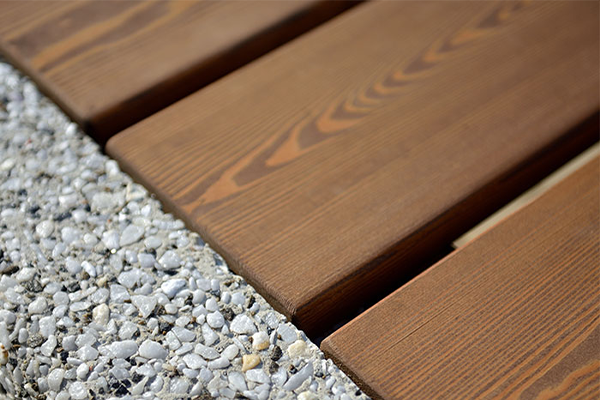
WPC decking, also called composite decking, is made from a blend of recycled wood fibres and plastic. The result is a durable, low-maintenance material designed to mimic the look of timber while resisting weathering, termites, and rot. Popular products include composite deck boards, WPC decking boards, and wood plastic composite decking boards.
For Melbourne homeowners who want a stylish outdoor area with minimal upkeep, composite outdoor decking is becoming a top choice.
What is Timber Decking?
Timber decking has been a staple in Aussie backyards for generations. Natural hardwoods like merbau decking, spotted gum decking, and blackbutt decking remain popular thanks to their warm appearance and strength. Many Melburnians love the traditional look of timber for decks, and local decking shops stock a wide variety of timber decking boards at different price points, from premium hardwoods to cheap decking timber.
A well-maintained timber deck adds timeless character and value to your home, but it does require regular care.
Durability and Longevity
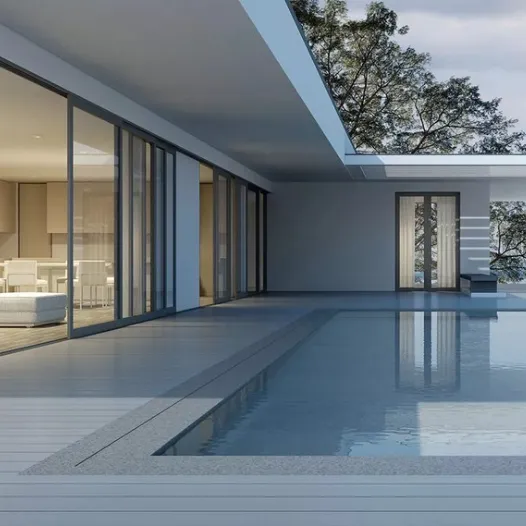
WPC Decking Durability
WPC composite decking is engineered to resist fading, cracking, and splintering. Since Melbourne’s climate can be unpredictable, this makes WPC boards a smart option for homeowners who want peace of mind. You won’t have to worry about termites or rot, which often affect deck timber.
WPC Decking Durability
Hardwoods like blackbutt timber decking and merbau timber decking are naturally tough and can last decades if well cared for. However, natural wood is vulnerable to moisture and pests. Without sealing and oiling, timber decking may warp, split, or fade over time.
Maintenance Requirements

WPC Decking Maintenance
WPC deck boards require very little effort. A simple hose down or sweep is enough to keep your WPC deck looking fresh. For busy Melbourne households, this low-maintenance option is appealing.
Timber Decking Maintenance
A timber deck demands more attention. Oiling, sealing, and staining are necessary to preserve its natural beauty and protect against Melbourne’s harsh weather. While some homeowners enjoy this ritual, others find it time-consuming.
Cost Comparison
Discover how upfront costs stack up against long-term value. From WPC’s low-maintenance durability to timber’s budget-friendly beginnings, we break down which decking option gives you the best bang for your buck.
WPC Decking Costs
At first glance, composite boards and WPC decking boards can cost more upfront than cheap timber decking. However, lower maintenance and longer lifespan often balance out the initial investment.
Timber Decking Costs
Options range from cheap timber for decking to premium blackbutt decks and merbau deck timber. While initial costs may be lower, ongoing maintenance expenses add up over time.
Appearance and Style

The Look of WPC Decking
Modern WPC composite decking is designed to replicate the natural look of timber. Available in a variety of colours and finishes, it offers consistency across all deck boards. It also pairs well with outdoor cladding, WPC fence cladding, or other contemporary landscaping elements.
The Look of Timber Decking
Nothing beats the authenticity of timber for decking. Species like spotted gum for decking and blackbutt timber decks create a rich, organic feel that’s hard to duplicate. For many Melbourne homeowners, this natural beauty is worth the extra maintenance.
Which is Right for Your Melbourne Home?
Ultimately, your choice comes down to lifestyle:
- Choose WPC decking if you want durability, low maintenance, and a modern look.
- Choose timber decking if you love natural beauty, don’t mind regular upkeep, and want a traditional Aussie backyard vibe.
Both options can enhance your outdoor space, but understanding the trade-offs is key.
Conclusion
When comparing WPC decking and timber decking, it’s clear that each has pros and cons. Composite decking boards excel in durability and low maintenance, while timber decking boards win on natural beauty and tradition. For Melbourne homeowners, the decision should balance appearance, maintenance, cost, and longevity.
If you’re ready to transform your backyard, South East Timber Supplies can help you choose the right decking boards for your project, whether you prefer the sleek look of composite outdoor decking or the timeless appeal of decking timber.
FAQs
Yes, WPC decking boards generally cost more upfront than cheap decking timber, but lower maintenance makes them cost-effective over time.
Hardwoods like merbau decking and blackbutt timber decks can last 15–25 years with regular care.
Yes, modern wood plastic composite decking boards are designed to mimic the look and texture of natural deck timber.
WPC composite decking requires little upkeep compared to timber for decks, which needs oiling and sealing.
Absolutely! Many Melbourne homeowners use WPC decking with timber outdoor cladding or combine timber deck boards with WPC fence cladding for a stylish contrast.


